
Uncategorized
The Ordinary Niacinamide 10% + Zinc 1% — A Deep Dive for Blemish-Prone Skin
Intro
If you’re dealing with excess shine, visible pores, or frequent breakouts, you’ve probably heard of The Ordinary’s Niacinamide 10% + Zinc 1% serum. It’s one of those affordable, widely recommended products that show up in skincare routines everywhere. In this post I’ll explain what the product is, how it works, how to use it safely and effectively, who it’s best for, what to expect, and how to combine it with other actives.
https://shoppingpoint.org/collections/all
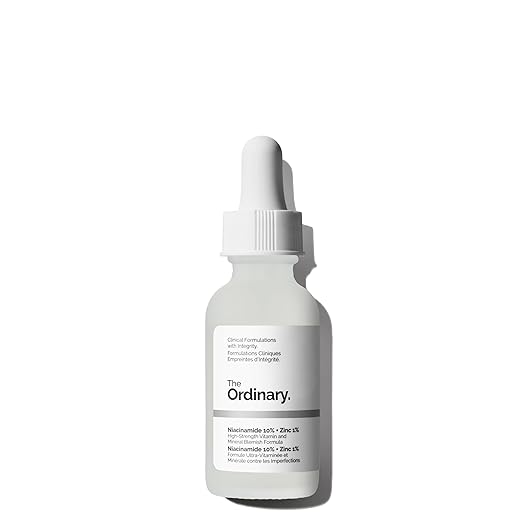
Featured image (suggested)
– Alt text: Bottle of The Ordinary Niacinamide 10% + Zinc 1% serum on a bathroom counter with green plant in the background.
– Caption: The Ordinary Niacinamide 10% + Zinc 1% — lightweight, water-based serum for blemish-prone skin.
– Photo suggestions: take a minimal flat-lay of the bottle with natural light; or use stock images of a clear serum bottle on Unsplash/Pexels. Example search terms: “skincare serum bottle flatlay,” “skincare routine serum.”
What is it?
The Ordinary Niacinamide 10% + Zinc 1% is a lightweight, water-based serum that combines a high concentration of niacinamide (vitamin B3) with a small amount of zinc salt (zinc PCA). It’s marketed toward oily and blemish-prone skin to help reduce the look of congestion, shine, and enlarged pores.
Key ingredients and what they do
– Niacinamide (10%): A multi-tasking, well-researched ingredient. Benefits include regulating sebum production, helping to minimize the appearance of pores, improving skin barrier function, reducing inflammation/redness, and contributing to an overall smoother, more even-looking complexion. The 10% concentration is high but commonly used in over-the-counter products.
– Zinc PCA (1%): Zinc is anti-inflammatory and can help control oil production and bacterial activity associated with blemishes. PCA (pyrrolidone carboxylic acid) helps with moisture-binding and makes zinc more skin-friendly.
– Base formulation: Lightweight, mostly water-based, spreads easily, and layers well under creams and sunscreen.
How it works (simple science)
– Niacinamide supports the skin barrier by boosting production of ceramides and reducing transepidermal water loss (TEWL). A stronger barrier helps skin handle irritants and acne treatments better.
– Niacinamide also modulates sebum production and has anti-inflammatory effects—useful for calming inflamed blemishes.
– Zinc has antimicrobial and oil-regulating properties and is commonly used in acne products for that reason.
Who should consider it?
– People with oily or combination skin who experience shine, enlarged pores, blackheads, or occasional breakouts.
– Those looking to add a non-irritating anti-inflammatory and barrier-supportive ingredient to their routine.
– People seeking an affordable, easily accessible serum to start with before layering stronger actives.
Who should be cautious?
– Very sensitive skin types: high concentrations (10%) can sting or cause redness in some people. If you’re sensitive, try a lower concentration product or dilute with your moisturizer.
– Anyone with an active severe rash or infection—consult a dermatologist first.
– If you use very frequent strong exfoliants (high-strength AHAs/BHAs, tretinoin, or other prescription treatments), introduce the serum slowly and monitor for irritation.
How to use it — step-by-step
1. Cleanse: Use your usual gentle cleanser and pat skin dry.
2. Tone (optional): Apply a water-based toner if you use one.
3. Apply Niacinamide 10% + Zinc 1%: 2–3 drops or a pea-sized amount, spread across the face focusing on oily/blemish-prone areas. It’s water-based so it absorbs quickly.
4. Follow with hydrating serums (e.g., hyaluronic acid) and then moisturizer.
5. AM: Finish with broad-spectrum sunscreen SPF 30+.
6. PM: You can use it again at night if your skin tolerates it.
Frequency
– Start once a day (preferably in the morning for oil-control benefits) or every other day if you’re prone to sensitivity. After 1–2 weeks, increase to twice daily if tolerated.
Layering and pairing with other actives
– Works well with: hyaluronic acid, glycerin, peptides, most sunscreens, azelaic acid, retinoids (retinol, tretinoin) — when tolerated.
– Use with chemical exfoliants (AHAs/BHAs): possible but monitor for irritation. If you use strong acids daily, you might alternate days or use niacinamide in the morning and acids at night.
– Vitamin C (ascorbic acid): Older sources warned against combining niacinamide with vitamin C; modern research shows they can be used together. If sensitivity occurs, use one in the morning and one at night.
– Avoid mixing lots of strong actives at once until you know your tolerance.
https://shoppingpoint.org/collections/all
Possible side effects and what to watch for
– Most people tolerate niacinamide well. Common mild reactions: slight stinging, redness, or tightness—especially on compromised or very sensitive skin.
– If you experience burning, severe irritation, swelling, or a rash, stop use and consult a dermatologist.
– Niacinamide does not typically cause “purging” (accelerated breakouts) the way exfoliants/retinoids can, because it’s not an exfoliant.
Results — what to expect and timeline
– Immediate: slightly smoother texture and reduced surface shine for many users.
– 2–4 weeks: reduced redness and inflammation, better moisture retention.
– 4–12 weeks: visible reduction in the appearance of pores and fewer blemishes for many people, especially when used consistently and paired with good cleansing and sun protection.
– Note: individual results vary depending on skin type, severity of acne, and other products in your routine.
Practical tips
– Patch test: Apply a small amount behind the ear or on the inner forearm for 48 hours to check for reactions before using on your face.
– If irritation occurs, reduce frequency or dilute: mix a few drops into your moisturizer until tolerance builds.
– Don’t skip sunscreen: controlling oil and redness won’t protect you from sun damage; SPF is essential.
– Storage: keep in a cool, dry place out of prolonged direct sunlight. The product comes in a dropper bottle—use clean hands or a clean dropper when applying.
Where to buy and price
– Official retailer: Deciem (The Ordinary’s parent company) website and official stores.
– Other retailers: Sephora, Ulta, Cult Beauty, Amazon (buy from verified sellers to avoid counterfeits).
– Price: widely known for being budget-friendly — prices vary by region and retailer but typically are in the low-dollar range for a 30 mL bottle.
Comparisons & alternatives
– The Ordinary Niacinamide 10% + Zinc 1% vs. Paula’s Choice Niacinamide: formulations and concentration differ; some brands combine niacinamide with other actives for multi-benefit serums.
– Alternatives: azelaic acid (good for redness and pigmentation), salicylic acid (BHA for oily, acne-prone skin), low-concentration retinoids (for comedonal acne and texture). Many people use niacinamide alongside these alternatives rather than swapping it out entirely.
Common FAQs
– Can I use it with a retinoid? Yes, generally safe. Begin slowly and monitor skin.
– Will it lighten dark spots/scars? Niacinamide can help with hyperpigmentation over time by reducing inflammation and supporting barrier repair, but faster results often come from targeted ingredients like azelaic acid, vitamin C, or retinoids.
– Is 10% too strong? 10% is high but frequently well tolerated. If you’re concerned, start with lower concentrations or dilute.
Real-user expectations
This product is often praised for delivering good results for the price. It’s not a miracle cure: if you have moderate to severe acne, you may need prescription treatments. For many with mild-moderate oily or blemish-prone skin, it’s a helpful and affordable staple that complements stronger treatments.
Sample routines
– Morning (oily, acne-prone skin):
1. Cleanser
2. The Ordinary Niacinamide 10% + Zinc 1%
3. Hydrating serum (hyaluronic acid)
4. Lightweight moisturizer
5. Broad-spectrum SPF 30+
– Evening (with retinol):
1. Cleanser
2. The Ordinary Niacinamide 10% + Zinc 1% (optional if retinol causes sensitivity — you can alternate nights)
3. Retinol (if using)
4. Moisturizer
Closing notes
The Ordinary Niacinamide 10% + Zinc 1% is a strong-value, science-backed serum that many people find helpful for controlling oil, calming inflammation, and improving the appearance of pores and blemishes. It’s affordable and easy to incorporate into most routines, but as with any active, start slowly, patch test, and consult a dermatologist if you have persistent or severe acne or unusual reactions.
If you’d like, I can:
– Draft a shorter summary for social sharing.
– Create a step-by-step photo guide to using the product.
– Compare it more specifically to another product you’re considering.
https://shoppingpoint.org/collections/all
— Andy
